
School Meals
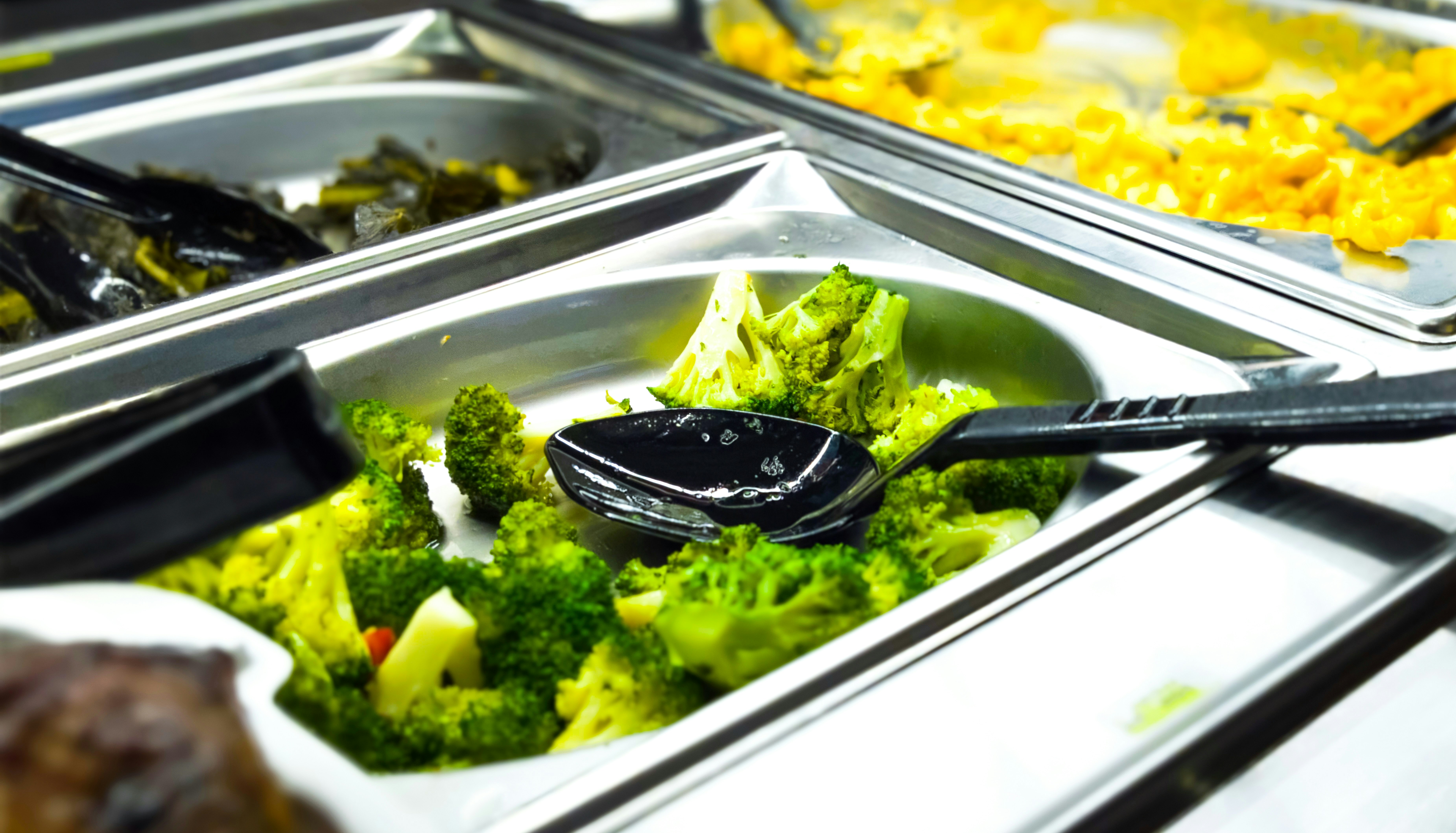
The school provides a daily hot meal in accordance with the government’s nutritional guidance. These are cooked on the premises and children are encouraged to stay for lunch or alternatively bring a packed lunch (school only). Vegetarian meals are also provided.
The Apetite ordering and payment system ensures children and parents can order the meals that they want, and makes paying for meals much easier. Please click the button below to read the Apetite Parent Information
Menus
To view the full main menus, click each thumbnail below:


Healthy Packed Lunch Guidance
St. Stephen’s Catholic Primary School understands the importance of developing healthy food habits in children. The beneficial effects these habits have on concentration, overall school performance and prevention of obesity, are examples of why a guidance on a healthy packed lunch should be adhered to.
Meals that are provided by school comply with the Food Standards Agency requirements and menus are designed to ensure that children get the nutrients that are needed for their health and development. If you choose to provide a packed lunch from home for your child, we ask that you take into consideration this guidance.
Government guidelines for packed lunches:
- One portion of fruit and one portion of vegetables or salad to be included daily.
- Meat, fish or a non-dairy protein source should be included daily.
- Oily fish, like salmon, should be included at least once every three weeks.
- A starchy food, such as bread or pasta or rice, should be included every day.
- Dairy foods such as milk, cheese or yoghurt should be included every day.
- Pupils should have access to free, fresh drinking water at all times.
- Packed lunches should include water, fruit juice, semi-skimmed or skimmed milk, or yoghurt drinks and smoothies.
- Snacks such as crisps should not be included.
- Sweet treats such as chocolate bars or chocolate-coated biscuits should not be included. Cakes and biscuits are allowed as part of a balanced meal.
In addition to the above, we request that pupils do not bring any nut products into school in order to protect contamination with pupils who have severe allergies.
Why are healthy lunches important?
Obesity is a fast-growing public health issue; over 1 in 5 children in Reception, and over 1 in 3 in Year 6, are overweight. (NHS, 2017, p.2) Providing your children with a balanced packed lunch will contribute to the prevention of obesity as it will limit fat to less than 30 percent, and saturated fat to less than 10 percent, of their weekly calorie intake. (LiveStrong, 2017, para.3)
A healthy lunch provides children with the key nutrients needed for the day – those that eat a healthy lunch will maintain a higher nutrient intake throughout the day compared to those who don’t. When provided with these valuable nutrients, children become more attentive. Children who eat nutritious meals and are active will have a higher performance level in school. Healthy foods boost energy; children will be less tired and able to retain more information. This is beneficial for both us and our pupils as we want them to gain as much from our lessons as possible. Schools aim to improve the nutrition of all pupils; adapting packed lunches is a vital step towards this goal!
Top tips for creating a healthy packed lunch:
No single food contains all the essential nutrients that your child needs; therefore, it is important that you provide a varied meal.
The following components help form a healthy and balanced packed lunch:
- Carbohydrates – starchy foods like bread rolls or potatoes will provide your child with energy to keep them alert during lessons.
- Protein – foods such as meat, fish, eggs, nuts or beans are high in protein and will provide your child with iron, magnesium and other essential vitamins.
- Calcium – milk, cheese and yoghurt are all high in calcium, which is a mineral required to help build and maintain strong bones – ideal for growing children!
- Fruit and vegetables – packed with nutrients, vitamins and healthy sugars, fruit and vegetables can replace unhealthy snacks.
- Drinks – fresh water, semi-skimmed or skimmed milk, or pure fruit juices are all healthy options. Full of nutrients, calcium and other vitamins; each beneficial to a growing child.
Further Information
There is a whole host of information including recipes and tips available on the Change4Life website: www.nhs.uk/change4life/recipes/healthier-lunchboxes
Claiming Free School Meals
You're eligible for free school meals if you receive anyof the following benefits:
- Income-based Jobseeker’s Allowance
- Income-related Employment and Support Allowance
- Support under Part VI of the Immigration and Asylum Act 1999
- The guaranteed element of Pension Credit
- Child Tax Credit (if you do not get Working Tax Credit and have an annual gross income of no more than £16,190)
- Working Tax Credit run-on. Paid for 4 weeks after you stop qualifying for Working Tax Credit
- Universal Credit
If you believe you may be eligible, you can make a claim at http://my.northtyneside.gov.uk/freeschoolmeals or by calling 0191 643 2288 (you will require your National Insurance Number).